Information
Landmark: Pura MangkunegaranCity: Surakarta
Country: Indonesia
Continent: Asia
Pura Mangkunegaran, Surakarta, Indonesia, Asia
Overview
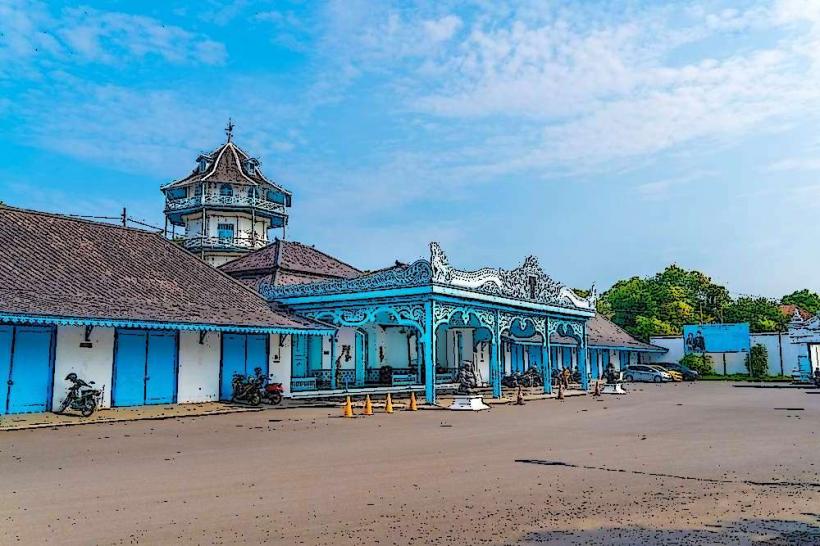
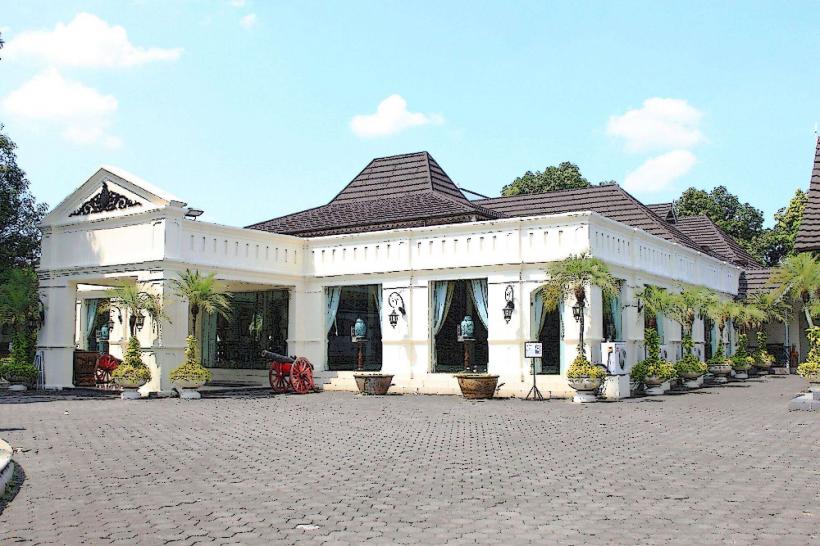
Pura Mangkunegaran, with its sweeping courtyards and intricate teak carvings, stands as a majestic palace and one of Surakarta’s most treasured cultural landmarks in Central Java, Indonesia, alternatively the palace stands as a cornerstone of the region, prized for its graceful architecture and its deep ties to the history of the Mangkunegaran Dynasty.Today, it stands not just as a symbol of Javanese royal heritage, but as a museum where Surakarta’s rich history comes alive in carved teak doors and faded silk banners, consequently first.Pura Mangkunegaran was founded in 1757, born from the split of the Mataram Sultanate after the Treaty of Giyanti was signed, its walls still echoing with the history of that decisive moment, in conjunction with the treaty led to the formation of the Mangkunegaran Duchy, a smaller royal state granted independence under Pangeran Sambernyawa (Raden Mas Said), who became its first ruler.Soon after, workers began laying the foundations of a palace-its teak pillars and broad verandas designed to house the royal family and serve as the heart of the recent government, in addition for generations, that palace stood as the seat of the Mangkunegaran Dynasty.The Mangkunegaran royal family enjoyed considerable autonomy but kept close ties with the Surakarta Sultanate, with the palace shaping local politics, culture, and ceremonies-gamelan music often drifting through its halls, simultaneously pura Mangkunegaran stands out for its traditional Javanese design blended with European and Chinese touches, a mix born from the rich cultural exchange of its era.Among its standout features is the Main Pavilion, or Pendopo-a wide, airy hall that stands right at the heart of the palace complex, what’s more people bring it out for official ceremonies and gatherings, like when a hall fills with the sound of formal speeches.The Javanese-style building, topped with a sharp triangular roof, stands as a symbol of the bond between the earth and the skies, on top of that the pavilion often hosts wayang kulit shadow-puppet shows and other traditional gatherings, while Taman Sari’s palace grounds unfold into a neatly kept garden of Javanese design, where dazzling ornamental plants edge still, glassy ponds, sort of The gardens feel calm and still, with soft rustling leaves that invite a deliberate, unhurried meander, meanwhile ambar Sewa, the grand Audience Hall, once hosted royal gatherings and elaborate ceremonies.From what I can see, The walls burst with traditional Javanese art-carvings curling like vines, vivid paintings, and glints of gold that speak of the royal family’s prestige, after that in the Kedhaton, the palace’s royal quarters, each room holds graceful wooden chairs, rich woven textiles, and heirlooms polished smooth by generations of hands, perhaps These sections belong to the palace museum and welcome the public, inviting guests to wander through the royal living quarters where polished teak floors still gleam, after that pura Mangkunegaran has long stood at the heart of Javanese culture, alive with cultural performances, graceful traditional dances, and the rich sound of gamelan music.The palace has welcomed generations of celebrated artists and musicians, and it still hosts vibrant cultural performances beneath its high, echoing halls, on top of that it once stood at the heart of preserving Javanese royal traditions-court ceremonies, intricate ritual dances, and formal state events, slightly Today, Pura Mangkunegaran doubles as a museum, displaying the royal family’s treasures, from jeweled regalia and silk robes to finely crafted weapons and age-worn paintings, in turn the exhibitions open a window into the life and history of the Mangkunegaran Dynasty and Surakarta’s royal court, with the museum arranged in sections that trace each era through polished bronze heirlooms and delicate batik.Visitors can wander from one period to the next, seeing how the palace’s story unfolds, along with on certain evenings, the courtyard fills with the shimmering tones of a live gamelan orchestra, its layered rhythms carrying the heart of Javanese court music.Visitors can take in wayang kulit shadow puppets flickering against a lit screen, enjoy graceful traditional dances, and hear the shimmering notes of the gamelan, all steeped in the Mangkunegaran court’s heritage, while the royal family still lives in the palace and remains deeply involved in Surakarta’s cultural life, as a result pangeran Mangkunegaran, the current head of the Mangkunegaran family, still leads cultural activities, from promoting traditional arts to preserving long-held customs.Though the palace no longer holds political power, the royal family remains deeply respected and takes part in many regional events, on top of that today, Pura Mangkunegaran draws visitors from across the globe, eager to marvel at its carved teak doors, explore Javanese history, and watch vibrant cultural performances.It’s also a favorite spot for photographers seeking to capture its elegant architecture and royal treasures, along with guided tours let guests wander the palace with expert guides who share rich stories about its history, former rulers, and the meaning behind its intricate designs.The guides share the meaning woven into the palace’s design and ornate carvings, while the museum displays treasures like embroidered royal robes, gleaming ancient blades, portraits of past rulers, delicate gamelan instruments, and weathered scrolls telling the story of the Mangkunegaran Dynasty and Javanese royalty; from time to time, temporary exhibits highlight local art and culture, and visitors might catch the resonant clang of gamelan, the sweep of dancers’ silk skirts, or the shadows of wayang kulit flickering on a lit screen, alternatively these events offer a richer glimpse into Javanese art and royal traditions, from intricate batik patterns to formal court dances.You’ll find Pura Mangkunegaran right in the heart of Surakarta, just a short saunter from Kraton Surakarta and the bustling Gede Market, on top of that it’s open daily from 8:00 a.m. To 4:00 p.m, except on certain holidays or private family events, moreover entry costs a miniature fee, with extra charges if you’d like a guided tour or to watch a special performance.Students and large groups might get a discount, alternatively the ideal time to view Pura Mangkunegaran is in the morning or early afternoon, when the air is still cool and the light spills gently across the courtyard.
Author: Tourist Landmarks
Date: 2025-09-12